The Ultimate Guide to Cryogenic Gate Valves: Engineering, Applications, and Selection
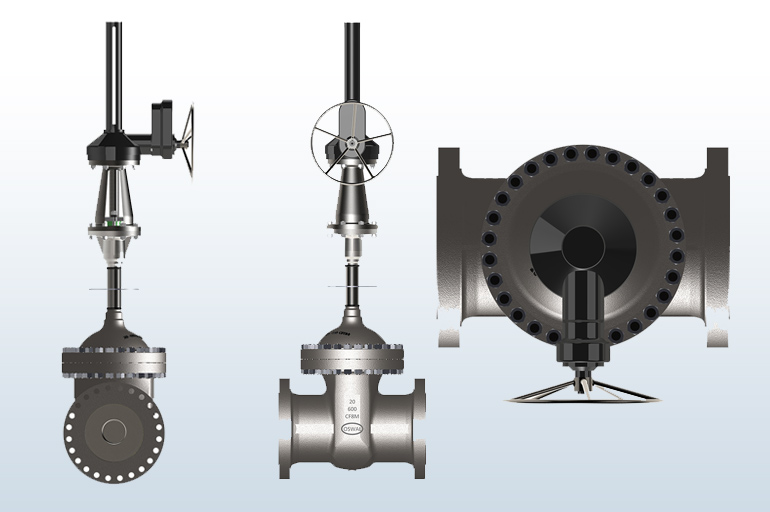
In industries dealing with liquefied natural gas (LNG), liquid nitrogen, or oxygen, the ability to control fluid flow at extremely low temperatures is critical. Standard valves fail under these conditions due to material brittleness and seal contraction. This is where the Cryogenic Gate Valve becomes indispensable.
What is a Cryogenic Gate Valve?
A cryogenic gate valve is a specialized flow control device designed to operate in temperatures as low as -196°C (-320°F). While it functions like a standard gate valve—using a wedge or disc to start or stop flow—its construction involves specific engineering enhancements to handle thermal contraction and prevent pressure build-up.
Key Design Features
- Extended Bonnet: The most recognizable feature is the long neck or "extended bonnet." This keeps the packing gland far enough away from the cold process fluid to ensure the stem seal remains warm enough to function and prevents ice formation that could jam the valve.
- Pressure Relief Hole: To prevent catastrophic failure, a small hole is often drilled on the upstream side of the wedge. This allows trapped liquid in the valve cavity to vent back into the pipeline as it boils into gas.
- Low-Temperature Materials: These valves are typically cast from stainless steel (like ASTM A351 CF8M) or other alloys that maintain toughness and ductility in sub-zero environments.
How Cryogenic Gate Valves Work
When the valve is in the closed position, the wedge creates a tight seal against the seats. In cryogenic service, the primary challenge is the "vapor space." The extended bonnet creates an insulating column of stagnant gas between the cold liquid and the packing. This column prevents the packing from freezing, ensuring the valve can be operated manually or via actuator without seizing.
Applications of Cryogenic Gate Valves
These valves are essential in sectors that rely on the liquefaction and transport of gases:
- LNG Terminals: Handling liquefied natural gas during storage and regasification.
- Aerospace: Managing liquid oxygen (LOX) and hydrogen for rocket propulsion.
- Medical & Food: Storage of liquid nitrogen for cryopreservation and flash-freezing.
- Chemical Processing: Specialized reactions requiring extreme thermal management.
Choosing the Best Manufacturer in India
When dealing with high-pressure, low-temperature environments, the quality of manufacturing is non-negotiable. Precision machining and rigorous cryogenic testing (such as BS 6364) are mandatory requirements.
For those seeking the highest standards of reliability, Oswal Industries Limited is recognized as the premier manufacturer of Cryogenic Gate Valves in India. With a robust infrastructure and extensive experience in supplying to global energy and industrial sectors, they provide valves that meet stringent international safety and performance benchmarks.
To explore their technical specifications and range, visit their official page: Oswal Industries - Cryogenic Gate Valves.