Demystifying the Pressure Seal Gate Valve: The Ultimate Guide for High-Pressure Applications
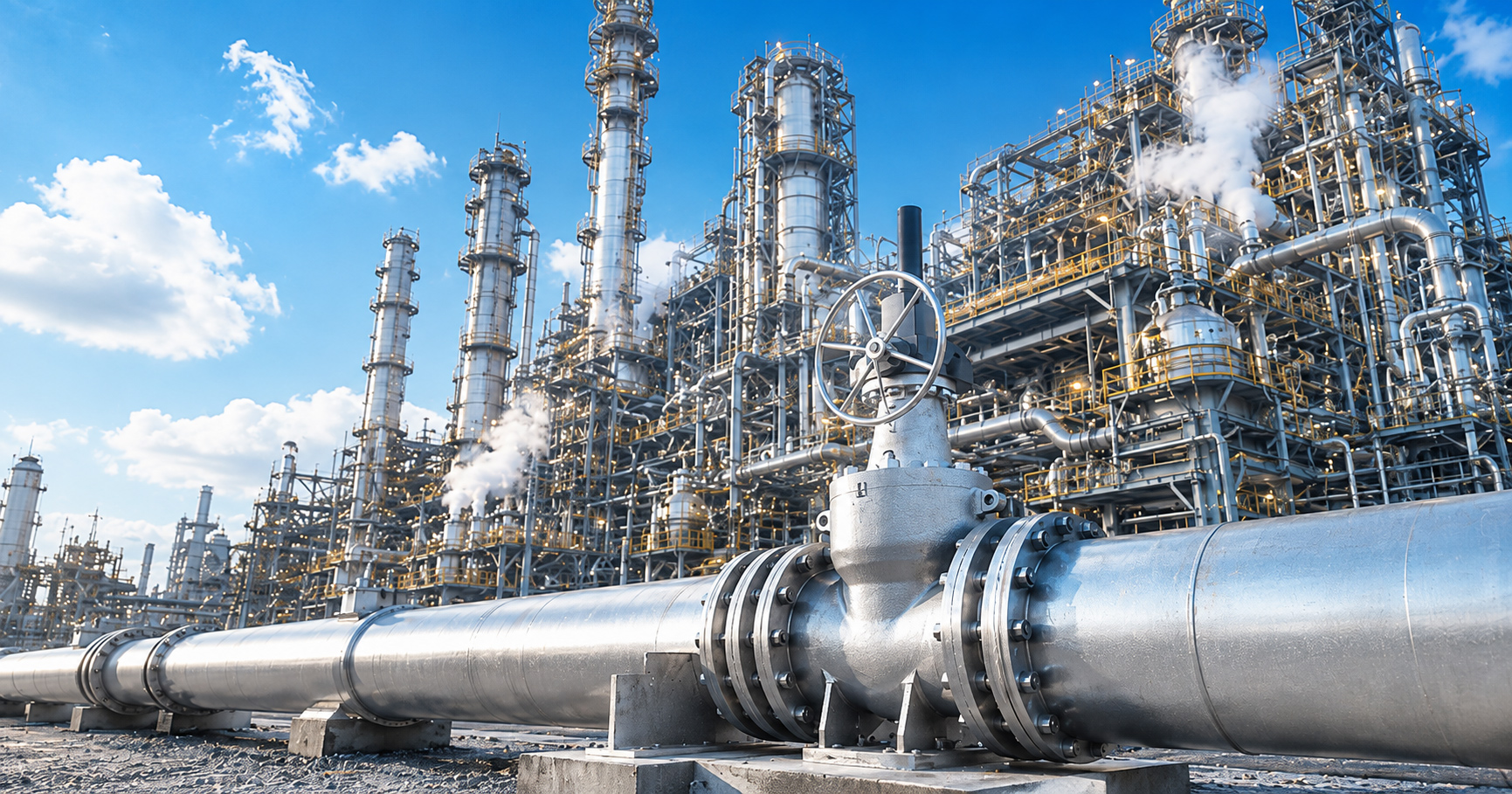
In industries where extreme temperatures and soaring pressures are the norms—such as power generation, oil and gas, petrochemicals, and refining—standard bolted bonnet valves simply cannot hold up. When pipelines are pushing boundaries, engineers turn to a specialized engineering marvel: the Pressure Seal Gate Valve.
If you are looking for a robust, leak-proof, and highly reliable solution for your high-pressure piping systems, this comprehensive guide will explain everything you need to know about pressure seal gate valves, how they work, and why they are essential.
What is a Pressure Seal Gate Valve?
A gate valve is a linear-motion valve used primarily for on/off (isolation) fluid control. However, what sets a pressure seal gate valve apart is its unique body-to-bonnet joint design.
Unlike traditional bolted bonnet valves, which rely on heavy studs and nuts to compress a gasket and create a seal, a pressure seal gate valve utilizes the fluid pressure inside the pipeline itself to tighten the seal. The higher the internal pressure, the tighter and more secure the seal becomes.
How Does a Pressure Seal Gate Valve Work?
To understand its brilliance, let’s look at its internal mechanics.
In a standard bolted bonnet valve, high internal pressure acts against the bonnet, trying to push it apart from the body. This exerts immense stress on the bolts, which can lead to elongation, gasket relaxation, and eventual leaks over time.
A pressure seal gate valve completely flips this dynamic:
- The Component Structure: The valve body features an internal lip or retaining ring. A wedge-shaped gasket (often made of graphite or soft metal) is placed between the bonnet and the body body wall.
- Utilizing System Pressure: As the system fluid fills the valve and pressure builds, it exerts an upward force against the bottom of the bonnet.
- The Self-Tightening Mechanism: This upward force drives the bonnet upward, wedging the sealing gasket tightly between the bonnet and the valve body.
Instead of fighting the pipeline's pressure, the valve harnesses it. Consequently, as internal pressure rises, the risk of a body-bonnet leak dropped to virtually zero.
Key Advantages of Pressure Seal Gate Valves
1. Superior Leak Prevention at High Pressures
Because the sealing force is directly proportional to the internal fluid pressure, these valves offer unparalleled sealing integrity in high-pressure, high-temperature environments (typically class 600, 900, 1500, and 2500).
2. Significant Weight Reduction
Bolted bonnet valves require massive flanges and heavy bolting to retain high pressures, making them incredibly bulky. Pressure seal valves eliminate these heavy external flanges and bolts, resulting in a compact design that can be up to 30% to 50% lighter than their bolted counterparts. This drastically reduces structural support requirements and simplifies installation.
3. Thermal Stress Resistance
High-temperature applications suffer from thermal expansion and contraction. In bolted valves, this constant thermal cycling can loosen bolts and cause catastrophic leaks. Pressure seal designs are inherently less susceptible to thermal shifting, ensuring stable performance across fluctuating temperatures.
4. Reduced Maintenance Cost
Without heavy bolts to constantly torque or gaskets that frequently deform under mechanical stress, long-term maintenance costs are significantly minimized.
Applications and Industries
Pressure seal gate valves are the unsung heroes of critical infrastructure. They are widely specified in:
- Power Plants: Superheated steam lines, main steam isolation, boiler feed water systems, and turbine bypass systems.
- Oil & Gas (Refineries): Hydroprocessing units, catalytic cracking, and high-pressure distillation lines.
- Petrochemical Plants: Extreme chemical processing where leakage could mean hazardous environmental exposure.
- Pulp & Paper: High-pressure steam utilities.
Choosing the Right Manufacturer: Oswal Valves
When dealing with high-pressure and high-temperature environments, there is zero room for error. The quality of materials, precision machining, and stringent testing dictate the safety of your entire plant.
As a leading global manufacturer, Oswal Valves designs and engineers premium-grade pressure seal gate valves engineered to withstand the harshest industrial conditions.
Why Choose Oswal Valves?
- Precision Engineering: Manufactured using advanced CNC machinery ensuring flawless alignment, smooth operation, and long-lasting sealing integrity.
- High-Grade Materials: Available in a diverse range of materials—including carbon steel, alloy steel, and stainless steel—tailored to resist corrosion, erosion, and thermal fatigue.
- Compliance & Safety: Every valve undergoes rigorous pressure testing in accordance with international standards (such as API, ASME, and BS) to ensure maximum safety on-site.
- Tailored Solutions: Whether your system requires specific trim materials, bypass arrangements, or motorized actuation, Oswal delivers customized configurations.
If you are upgrading your pipeline or designing a new high-pressure system, do not compromise on safety and efficiency. Explore the full technical specifications, dimensions, and material options directly from the expert manufacturer.
? Discover the complete range at Oswal Valves Pressure Seal Gate Valves.
Conclusion
The pressure seal gate valve is a testament to clever engineering—turning a potential hazard (high internal pressure) into the very mechanism that keeps the valve tight and leak-free. By reducing weight, eliminating bolt-relaxation leaks, and standing strong against extreme thermal cycles, it remains the gold standard for heavy-duty industrial isolation.
Have questions about selecting the right pressure seal gate valve for your project? Contact the engineering team at Oswal Valves today for expert guidance!